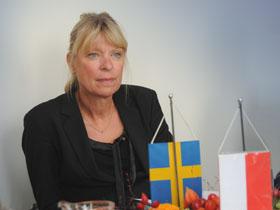


On 7-8 September, the Auditor General of the National Audit Office of Sweden paid a two-day official visit to the NIK. The cooperation between the two institutions dates back to the end of 1990s. The two SAIs collaborated on the occasion of Contact Committee meetings, annual meetings of SAIs’ heads and preparations for the EUROSAI Congress. The visit of the Auditor General of Sweden to the NIK provided an opportunity to exchange experience and to discuss matters related to, among others, the functioning of the two SAIs and to their audit practice.
See also: Gudrun Antemar about a unique management system in Riksrevisionen.
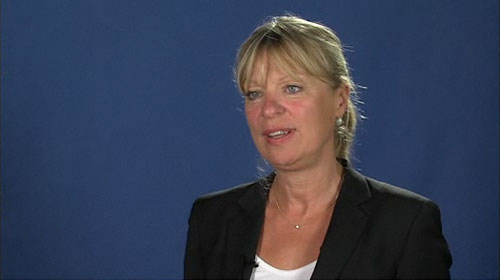
Auditor General of Swedish NAO
Both Riksrevisionen and the NIK conduct several audits a year dedicated to the functioning of the healthcare system. Representatives of the two institutions discussed these audits and the solutions they apply in them on the first day of the visit. The guests and the hosts presented the specifics of their national healthcare systems, as well as the methodology and results of selected audits. For the Swedish Auditor General, it was especially valuable to listen to how the NIK chooses audit areas and audit topics, how it cooperates with auditees and how auditors access necessary data. The visitors also wanted to get acquainted with the privatisation of Polish hospitals and the NIK’s activities related to audits in the field. While for the NIK, it was valuable to know the details of the Swedish audit in the area of dental care, in relation to its plans to conduct a similar audit in Poland. Questionnaires distributed among thousands of people, interviews with dentists, selection of focus groups to discuss the results - these are some of the tools that Swedish auditors applied in auditing their national dentistry. The Swedish audit in the field is still in progress. It will be completed in February 2012, and its results will be sent to the NIK.
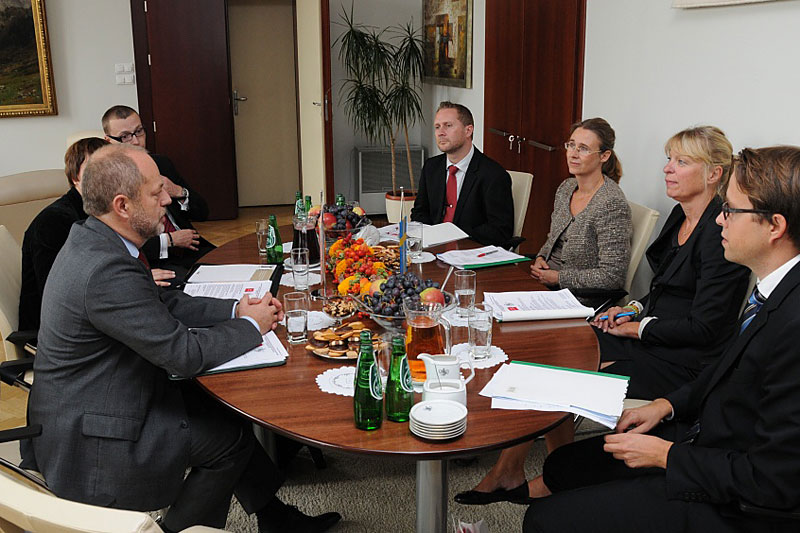
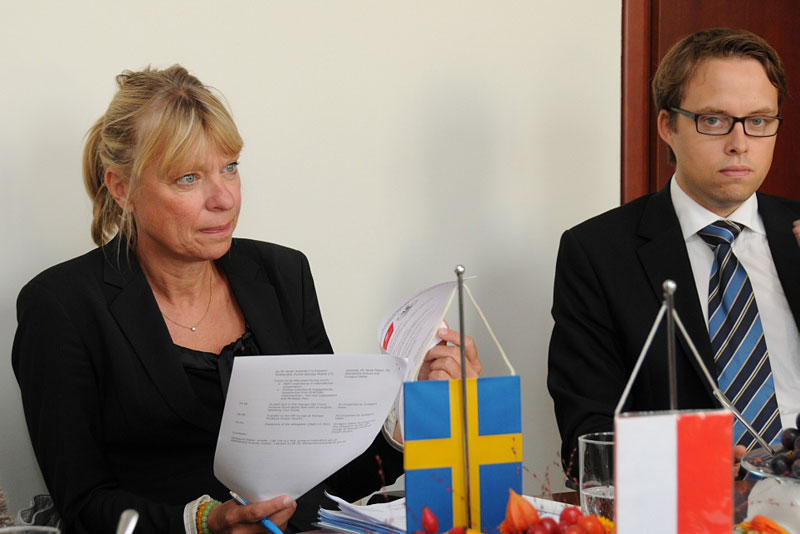
The second day of the visit was dedicated to issues related to education. Polish and Swedish auditors discussed the results of individual audits and analysed the specifics of the education systems in the two countries. The financing of education, methods of the examination of student’s knowledge on subsequent stages of education and sanctions applied to parents who do not send their children to schools - these were the topics discussed, to name just a few.
Having presented the results of individual completed audits, and having exchanged information on the planned audits, the representatives of the two SAIs discussed similarities between their practices. They also exchanged reports on concluded audits. Information comprised in these reports may prove useful in designing and conducting audits in their countries.