


Homelessness is a difficult and complex issue. It applies to all societies, the rich and the poor ones. Poland struggles with the problem which also applies to much more developed countries.
Homelessness in Poland – interview with Jacek Szczerbiński
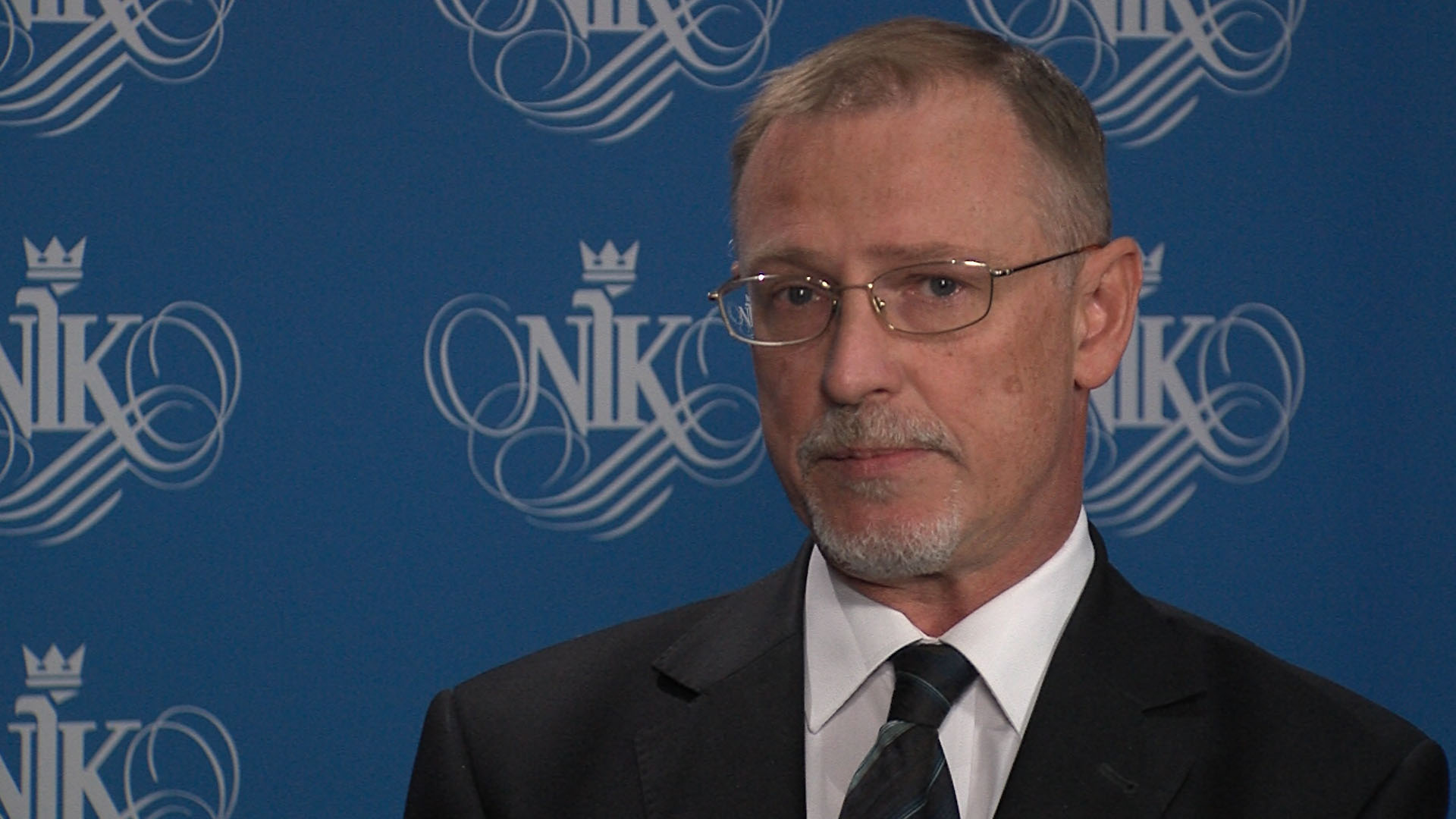
homelessness 1
Homelessness in Poland is of permanent nature. According to estimates of the Ministry of Labour and Social Policy, there are about 31 thousand homeless people in Poland. Social welfare programmes such as social contracts or individual end homelessness programmes cover about 3 thousand of such persons every year. This is the approximate number of people who receive help. It is as much as 10 percent of all homeless. However, the total number of such people remains unchanged: 31 thousand. It means that the place of the homeless who have become independent is taken by new ones. It suggests that we are quite good at implementing ad hoc measures but we cannot manage the problem on a system basis.
How local governments cope with homelessness - interview with Jacek Szczerbiński, part 2
homelessness 2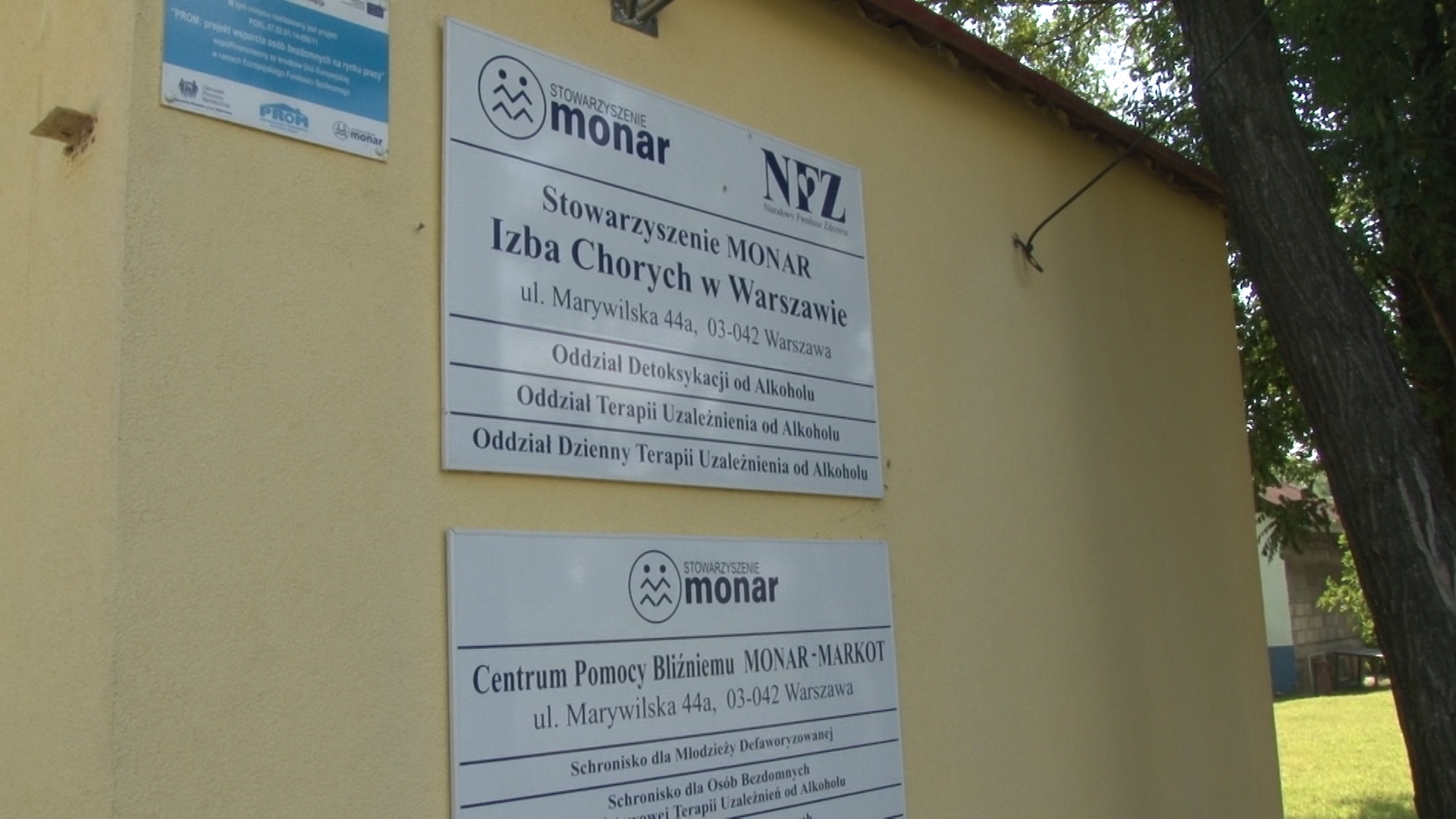
The homelessness phenomenon is of urbanised nature and applies mainly to large cities. This is where the homeless migrate, especially in autumn and winter which is the most difficult time of the year for them. It is extremely difficult for municipalities to say how much money should go to the homeless. It is hard to say how many of them come from a given area and how many have only arrived to spend winter there, using a lodging house, a homeless shelter or staying at the railway station or on garden plots. All these people need help but municipalities need to plan funds in their budget for that purpose. They do it a year earlier, not knowing what will happen after several months.
Another problem is related to flats. The majority of municipalities do not take that difficult challenge as they have no money for that. There are plenty of people waiting for council flats. Building flats and giving them only to the homeless could give rise to social protests. Besides, there is no guarantee that these measures will have permanent effects. Homeless persons who are given a flat may go back to the street again if not covered by a social or psychological support programmes on a regular basis.
On the other hand, municipalities appropriate only a tiny portion of their funds for the homeless. The majority of cities covered by the NIK audit earmarked less than half a percent of their budget to support these people. In social policy strategies developed by city councils and municipality offices, the homelessness issue appears only as an addition to housing or social affairs, health policies or drug abuse. It does not function as a separate, standalone phenomenon.
All that shows that local governments do not approach homelessness in a system manner. According to NIK they should do their best to precisely estimate costs related to that phenomenon and treat this issue more seriously in their analyses. Decent strategies where homelessness will be properly defined and the way of estimating achieved results will be clearly specified –should help municipalities handle the homelessness issue more effectively.
![Homelessness - a difficult issue [interview on audit results]](/plik/big/id,7073.jpg)