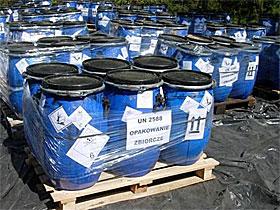


An impulse to start the audit were signals coming to NIK about problems with medical waste treatment. They concerned threats arising from non-compliance with binding procedures, particularly in incineration plants. ”The pre-audit analysis confirmed there is a big problem with medical waste” - says Kornel Drabarek, Deputy Director of the Department of Environment responsible for the audit which is conducted Poland-wide. Two weeks ago NIK inspectors entered the first hospitals.
NIK auditors evaluate the ways medical wastes are processed, to what degree administrative decisions are observed and how sanitary conditions are supervised. NIK’s efforts are supported by the Inspectorate for Environment Protection. Its employees check the plants for thermal treatment of biohazardous waste. It is important since it happens that wastes are transported to inappropriate places, such as e.g. municipal waste incineration plants which provide much cheaper services. Elżbieta Kier, medical waste expert who participated in the pre-audit meeting, emphasises that proper treatment of medical waste is of key significance for epidemiologic safety.
The audit covers 12 public hospitals (due to significant amounts of medical waste produced there) and six district sanitary and epidemiologic stations. Also installations in the plants for thermal treatment of biohazardous waste are subject to thorough inspections.