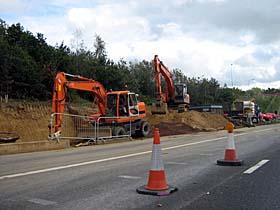


In the period 2008-2011, the General Directorate for National Roads and Motorways spent nearly PLN 79 billion to build 1371 km of new roads and modernise the old ones. These expenditures were partly refinanced from the EU funds. Including the first half of 2012, the refund totalled PLN 19.3 billion. Following different circumstances, the EU funds were reduced by PLN 464 million. GDDKiA has a chance, though, to use that money to build other roads provided it starts investments in 2013.
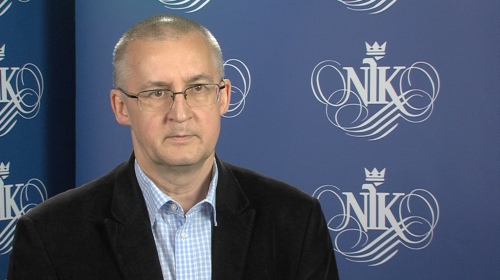
NIK’s Press Officer Paweł Biedziak on how GDDKiA performs its duties
Road investments
In practice, the lowest price was the main criterion used in tenders for construction works conducted by GDDKiA. With intense competition on the market it led, in some cases, to tendering below the real costs of the road construction. Officials unreliably verified offers with abnormally low tender prices. For instance, Chinese consortium COVEC declared to build two stretches of A2 motorway for less than a half of the amount defined in the cost estimate of GDDKiA. It withdrew from the agreement only after 20 months when arrears of Chinese companies towards their subcontractors reached as much as PLN 117 million.
GDDKiA had a relatively liberal approach to the issue of own funds of contractors bidding on a contract - a certificate from a bank confirming its readiness to credit the contractor was enough for the General Directorate. According to NIK, it made it possible to eliminate companies with difficult financial standing from tender procedures. E.g. that was the case with the consortium led by Dolnośląskie Surowce Skalne [Lower Silesia Rock Resources], wanting to complete the A2 motorway sections after the Chinese contractor. Although GDDKiA was aware of the company’s difficult financial condition, the contractor was given permit to start works which ended in bankruptcy. As a result, GDDKiA had to reimburse the subcontractors’ costs.
NIK has no significant reservations about the investment preparation process as such. GDDKiA branches in most cases properly developed construction permit requests and issued road investment permits. An infamous exception is the Rzeszów branch where all audited road investments requests were incomplete. And that in turn caused delays in issuing permits by the governor (in an extreme case it was 11 months).
In agreements with contractors the investor’s interests were properly protected. The parties’ rights and obligations, payment deadlines, contractual penalties, guarantee periods and performance guarantee were precisely defined. NIK, however, has some reservations concerning the performance guarantee level which was established at 5 percent of the total price provided in the offer. According to the Supreme Audit Office, in that case the 10 percent rate should be applied. Besides, the agreements lacked proper securities for subcontractors, especially in case of default..