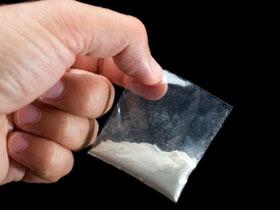


Data from 11.5 thousand surveys show that more than 31 percent of school youth and children witnessed drug-taking in their school or heard about it from credible sources. As many as 17 percent of them saw somebody sell drugs in the school area or heard about that. More than 28 percent of surveyed teachers admit that the problem of drug-taking among their pupils or students exists. Only in the audit period, drug-related incidents occurred in nearly one third of schools, where it was necessary to call in parents and the Police, in line with effective procedures.
According to NIK, the problem is underestimated by school principals. As a consequence, drug prevention activity in their institutions is ineffective. In most audited schools it is limited to an issue addressed during didactic and educational classes. However, one third of teachers leading drug prevention classes did not take part in any preparation training in that area. Additionally, the school drug prevention programmes are sometimes superficial, developed without an in-depth diagnosis of the issue. Besides, they are provided in a form which makes it impossible to assess their effectiveness. The most alarming thing is, though, that even in schools with the highest drug risk among pupils or students, their principals did not take up more decisive actions, like implementing programmes addressed to specific drug-endangered children or developing strategies of education and intervention activities. In many cases the factors impairing effective drug prevention include the fear of damaging a school’s reputation or underestimating the problem.
The National Drug Prevention Programmes for 2006-2010 and 2011-2016 were assumed as the basis of proper activities. But in schools they are not fully effective. They are too general and their form makes it impossible to evaluate their execution and effectiveness. Besides, the solutions adopted there are partly unrealistic as they allocate some tasks to different institutions (e.g. the Police) which go beyond their competences.
NIK points out that schools do not use effective drug prevention programmes, recommended in the European programme base EDDRA (Exchange on Drug Demand Reduction Action) or the National Recommendation System for Prevention Programmes and Mental Health Promotion. School principals often have no idea that such programmes exist. At the same time, neither the National Drug Prevention Office, nor the Ministry of Education effectively promote these programmes in schools.