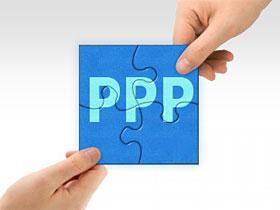


The communes and other public entities covered by the audit were prepared to manage PPP initiatives to a different degree. The ones that used professional advisory and analysed causes of unsuccessful undertakings in the past achieved the best results. Advisors responsible for making analyses and preparing PPP initiatives were hired in line with sound management and competition rules.
The irregularities confirmed by NIK involved improper preparation of some PPP initiatives. As a result, there were problems with selecting a private partner and some contracts included terms unfavourable for the public entity. Certain communes tried to carry out a PPP undertaking without prior analyses to identify the best way of executing a public investment. Other communes ignored the results of analyses on their way to find a private partner. In several cases contracts were not concluded because public entities wanted to transfer the maximum risk to private partners.
See also: Experts panel at NIK devoted to the PPP issues
PPP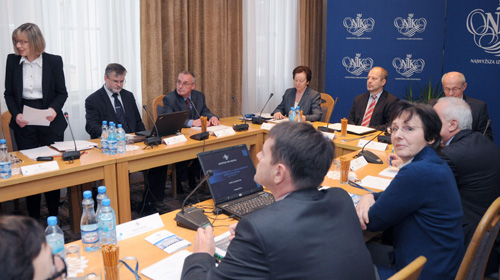
The audit showed that the key reason why the PPP was used in conducting public initiatives was the absence of other financing sources. At the same time, there was too little focus on other advantages provided by the partnership, as e.g. faster and cheaper process of building facilities by a private partner, better management quality and more effective use of investments subject to PPP.
Despite confirmed irregularities, NIK has positively evaluated the PPP initiatives. According to the Supreme Audit Office, for many communes PPP is an opportunity to carry out investments that are critical for citizens.