

How to reduce the risk of fraud and corruption in the public sector effectively? What are the challenges faced by bodies that deal with internal audit in the area? These were the main questions discussed by the participants in the OECD Seminar: representatives from Supreme Audit Institutions, central offices, associations and organisations. The point of departure for the discussion was the report developed by the OECD in which twelve countries from all parts of the world (including, for example, Australia, Brazil, Canada and Japan) shared their experience in internal control and internal audit.
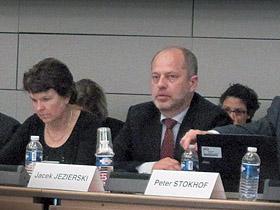
‘Both the European and the International Organisations of Supreme Audit Institutions recognise the need for strengthening internal control and internal audit in the public sector. From the perspective of Supreme Audit Institutions, cooperation with internal audit is very important, provided that internal audit is independent and objective,’ claimed Jacek Jezierski, President of the Supreme Audit Office of Poland, Chair of EUROSAI Governing Board and Chair of INTOSAI Subcommittee on Internal Control Standards.
The report that was discussed reflects the need for concrete activities in detecting and preventing fraud and corruption. It also emphasises the role and importance of independent and objective internal audit, which may be used as an effective tool for detecting irregularities by public sector managers.